













Women with a Pen is a semester-long course planned to be taken by seniors, and will mainly focus on how women’s literature has changed and grown over the years. Originally titled ‘Women’s Literature’ the new name of ‘Women with a Pen’ was eventually adopted along with the course’s revival.
While it follows along with the most of the course’s previous topics, new subject material will be covered as well,
department leader for the English Language Arts department, Wendy Terpstra said, “It is a surgery of women writers and the literature that they write. It would be a range of poetry, to short stories, maybe a novel and maybe some nonfiction in there. It is a collection of their works. It’s about what they like to focus on, like some of their major themes. It’s just looking at how women’s literature has grown and changed like when the first women authors grew until now.”
While the course itself is not new, the subject itself and topics being covered will vary slightly.
Terpstra said, “Right now there’s around seven different thematic units right now that are something we can work with. For example, one of them would be women’s rights and we’ll look at some of those seminal founding documents of women who were trying to gain the right to vote through suffrage.”
The course has been offered again this year with hopes of enrollment and to offer a broader variety of options to students.
Arts and Comms. counselor Brandon Fisher said, “We tried last year, just to give people more options. Like say, some people are not interested in mythology and they don’t want to take English four for whatever reason, so it is just giving them more options. It is trying to find interest so that students do better in English.”
Interest in the class is high amongst students and anticipation has grown.
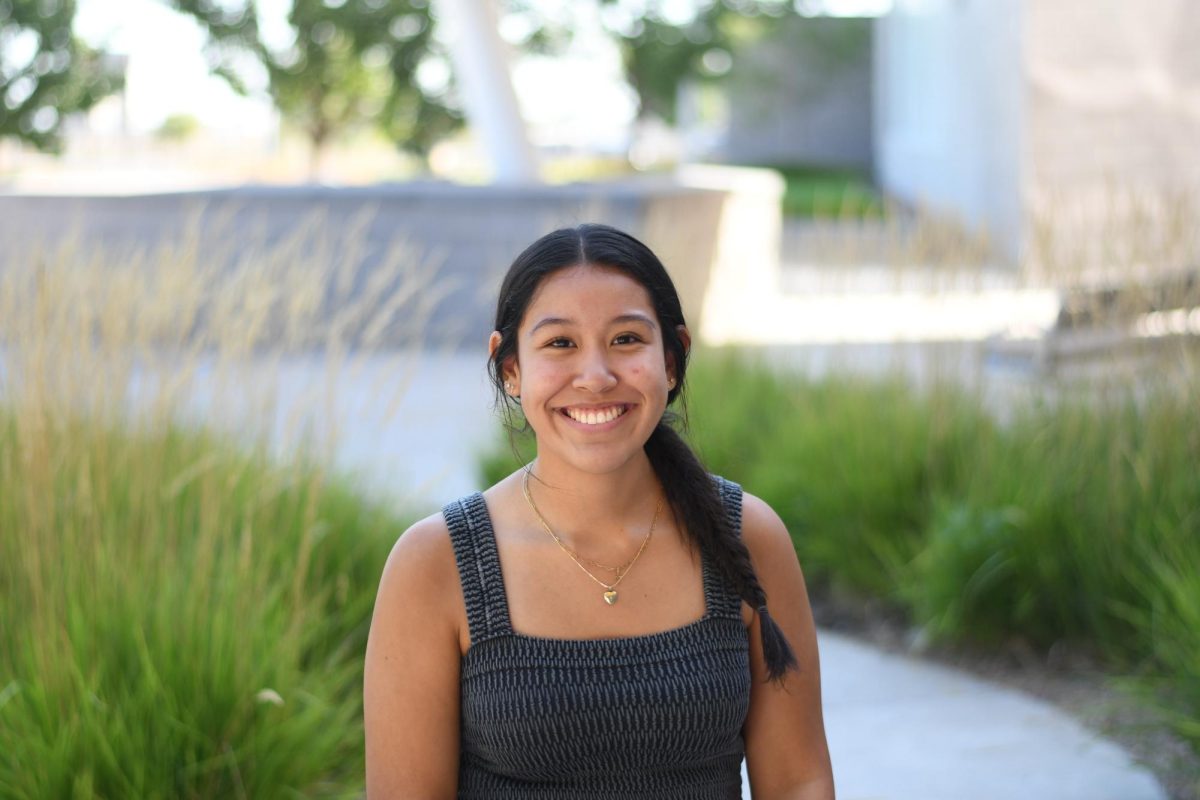
Arts and Comms. junior Zephyr Hernandez said, “All I really know is that it’s a class for women who like writing. It seems like it could probably be a really cool idea but everyone I hear talking about it has been making fun of the name.”
While some have criticized the name, most students are actually excited for the course.
Hernandez said, “I don’t think anybody is actually against the class being a thing, most of the people I talked to thought it was kind of cool, aside from the strange name.”
The future of the course is hopeful amongst leadership.
Terpstra said, “I would just like to establish some of those classes, and whoever teaches it can make it uniquely their own, and students would enjoy taking a class that focuses on literature they like.”