















On Jan. 5, the Corporation for Public Broadcasting (CPB) was officially shut down. The CPB has existed for 58 years, and has allowed public media to exist for all citizens in the US. The CPB did not fund large media companies like FOX or CNN, it focused on allowing local stations and media businesses to flourish. With the CBP shutting down, its funding for these radio stations disappears as well. One such station affected is High Plains Public Radio (HPPR), located in Garden City.
“The idea of losing the CPB popped up on our radar after Trump was elected. We started hearing things that made it clear that this would become a priority for this administration,” Abby Killingsworth, High Plains Public Radio Development Director, said.
When the team at HPPR discovered their funding could take a hit, their first move was transparency.
“Our priority was to let our listeners know what the threat to HPPR could be. We understand our dependency on CPB, we received about $220,000 annually, along with around $68,000 in back-end support,” Killingsworth said.
This funding was critical to the HPPR existing, and was funding that could always be relied upon. With the disappearance of the funding, the two year budget for the local radio took a massive hit.
“For us it was around $550,000 that we no longer had access to, and it was funding that we had been receiving since we were incorporated back in 1980. It had a pretty intense impact on our budget, and about a 15% cut,” Killingsworth said.
The HPPR also relies on the community for support, and it has reached out to this community in this time of uncertainty.
“We are community supported first and foremost. Community members are our number one support. As a non-profit, all of our financials and business practices are available to the public. We messaged about it, put it in on-air spots and let the community know what would be happening. We shared that with our listeners and we talked about the value of public broadcasting as a whole,” Killingsworth said.
The threat to their livelihood was shocking for many of the team at HPPR, who are all passionate about sharing news with the communities they serve.
“These people really care about broadcasting and radio and the mission of being a local resource. Media is not glamorous and it’s not going to make you rich, so you do it because you love it,” Eric Velander, broadcasting teacher, said.
The dissolution of CPB is extremely threatening to those already involved in public broadcasting, and it can cause second thoughts in those considering careers in various forms of journalism.
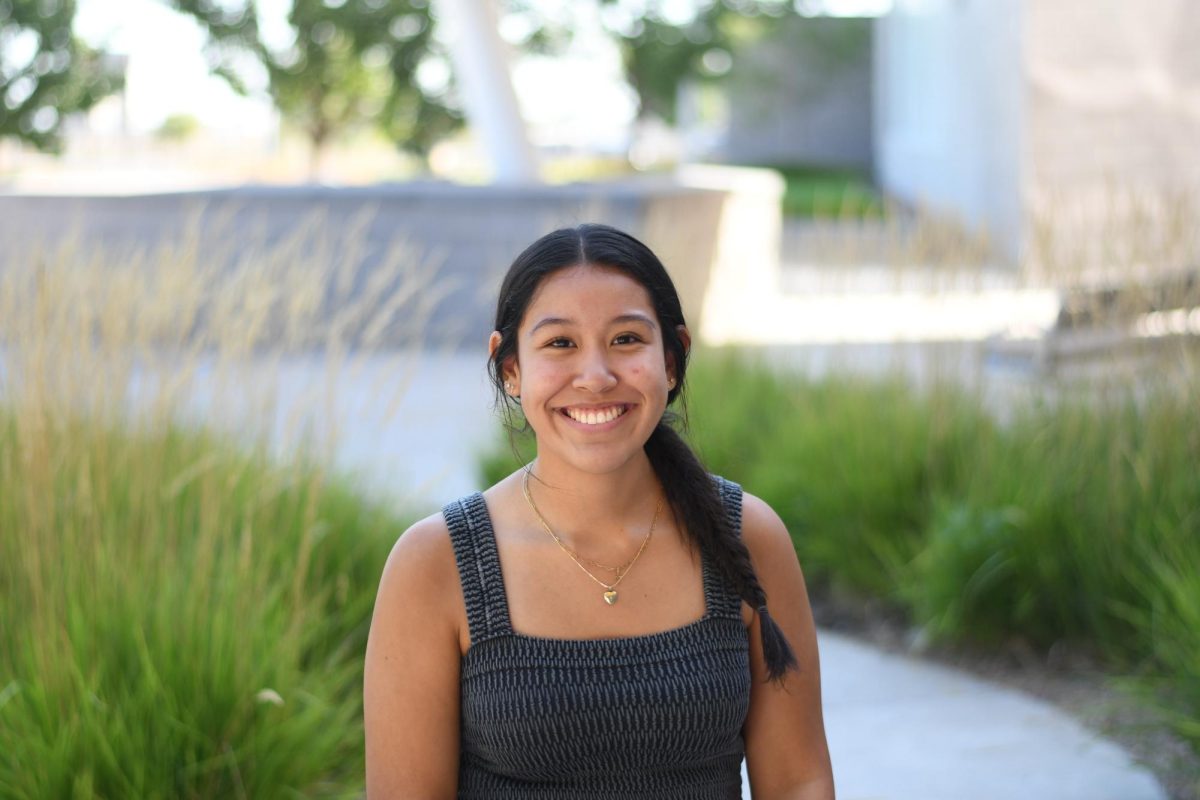
“It is a little discouraging because if I did want to choose that route of journalism it would make me feel unsure financially,” Amy Sosa, Arts & Comm. senior, said.
As previously stated by Velander, most involved in journalism do it because of a love for the work.
“I have worked at jobs where I have gotten decent amounts of money but I just did not enjoy the work, so I feel like I am the kind of person who does it more for enjoyment. At the same time it is getting harder and harder to get money, so just having a job for enjoyment is unrealistic,” Sosa said.
The location of HPPR in a more rural area was supported by the extra funding it received from CPB.
“The funding that came through the CPB made operating out here make sense. Now there’s a significant financial strain that didn’t exist. To combat that we launched a historical campaign to raise the lost funding. Over four months we raised the $550,000 that was lost. Usually we raise about $220,000, which we actually raised on top of the historic $550,000,” Killingsworth said.
This funding will make up for the gap from the disappearance of CPB for the next two years. In the meantime, HPPTR is working to fill that gap for the long term.
“We received a few grants to build a news network, so we’re in the process of building that right now. That will increase our value to this area. The idea is we are not trying to stay in the place we are, we are trying to increase value. So while we raised this critical amount of money, we are using this time to increase our value in hopes that we can then show that increased value and increase our revenue,” Killingsworth said.
The massive increase in community support was important to showing the team at HPPR that their work is appreciated and needed.
“It was an affirmation of our mission. Everyone on staff believes in HPPR, and are surrounded by others who also believe. When we’re getting that feedback from listeners who also believe it’s like someone turning the tap to full blast,” Killingsworth said.
This mission is what drives HPPR to continue to thrive despite the lack of funds.
“Our mission is to enrich the educational, cultural and community life of the High Plains. Public radio is for the people, by the people. So not commercial interest, not for corporations, it’s owned by the people who it serves,” Killingsworth said.
Public broadcasting being operated locally is what makes it so appealing to the public, as opposed to the possible bias in bigger news stations.
“The producers of big news, and those who disseminate it, are controlled by outside interest. It’s more important now than ever that the dissemination of journalism isn’t controlled by outside interests. That’s where the value of public media becomes all the more important, where we know that the person reporting on our community is our neighbor and not someone who lives 1000 miles away telling us what’s happening outside our front door. It’s news you can trust,” Killingsworth said.
Despite the disappearance of funding, HPPR will sound largely the same while it transitions from having federal funding.
“From the listener’s point of view it will sound the same. We always run a tight ship. We are a shoestring staff. We’ve whittled down across the years so I don’t think we could get much more efficient by cutting things. That’s what the fear was: how do we get smaller without impacting service,” Killingsworth said.
Those involved in public radio mourn the loss of the CPB and what it stood for.
“The CPB was incredible and the system was very special. The CPB provided funding to community stations while having no control over what was broadcasted. They ensured that every citizen had access to news that was not influenced by corporations,” Killingsworth said.
The CPB was essentially federally funded free speech. It was money given to local radio and broadcasting stations, without controlling the content they created. It allowed for this free speech, and guaranteed that Americans had access to it. This is what HPPR hopes to continue despite the new obstacles.
“We’ve seen fantastic results with fundraising, but it’s not across the board. I don’t think every station has done as well as we have. Even though it feels like we’ve gotten through the hard part, we just raised the two years. I don’t think we got through the hard part, I think we just got through the first part,” Killingsworth said.
HPPR will require much support if it is to continue past its two years of funds it has raised. The team outlined ways for those interested in public media to act.
“ I would encourage people to engage, to keep reading, to tune in and to share their thoughts with their elected officials that free media is important and to not disengage,” Killingsworth said. “The news is ugly a lot of the time, and it’s easy just to swipe away, but it’s our duty as citizens to bear witness even when it’s not pleasant.”